Time Enough At Last - A Cautionary Tale for Bookworms
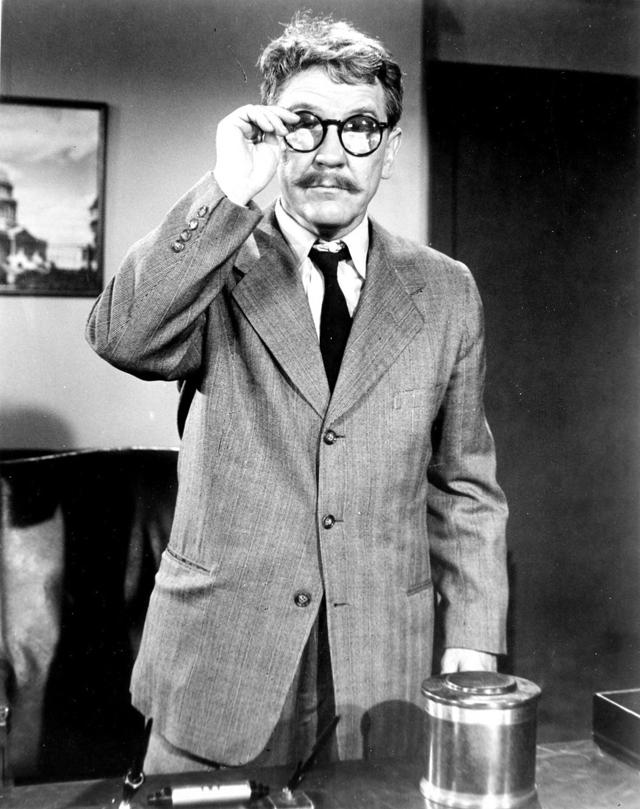
Henry Bemis just wants to read. Is that so much to ask? Apparently it is, because his wife, his boss, and pretty much everyone else in his life have made it their mission to make sure he never gets through a single page in peace. You have to respect the commitment, really. It takes a special kind of antagonism to dedicate yourself to ruining someone else's harmless hobby.
But then the bomb drops. Everyone else is gone. Henry is alone with all the time in the world and a library full of books. The setup writes itself. This is the part where a lesser show might let him enjoy it. But this is The Twilight Zone, and Rod Serling does not do happy endings. Not for free, anyway.
Cold Hard Facts
- 📚 This episode was based on a short story by Lynn Venable that appeared in the January 1953 issue of If: Worlds of Science Fiction magazine
- 💰 Burgess Meredith was paid $1,500 for his performance, which was standard for a leading role in a Twilight Zone episode at the time
- 👓 The thick glasses Meredith wore were actually his own prescription lenses - he was severely nearsighted in real life
- 🎬 Director John Brahm was a German emigre who had directed several classic film noirs including The Locket (1946) and Hangover Square (1945)
- 📖 The book Henry is reading in the diner scene is The Decline and Fall of the Roman Empire by Edward Gibbon, because subtlety is for cowards
- 🏆 This episode consistently ranks in the top 5 of virtually every "Best Twilight Zone Episodes" list ever compiled
- 💔 The final shot of Meredith's face is one of the most iconic images in television history and has been parodied in everything from The Simpsons to Fallout 3
The Verdict
This episode works because it understands something fundamental about horror: the worst thing you can do to a person is give them exactly what they want, then take it away. Henry does not ask for much. He does not want money or power or fame. He just wants to sit quietly and read. The world denies him even that small peace, then offers it as a cruel joke.
Burgess Meredith sells every frame of it. His face in those final moments is the kind of acting that does not require dialogue. You know what he is thinking. You know because you have wanted something that badly too. The difference is that your glasses probably still work.
"That's not fair. That's not fair at all. There was time now. There was all the time I needed."